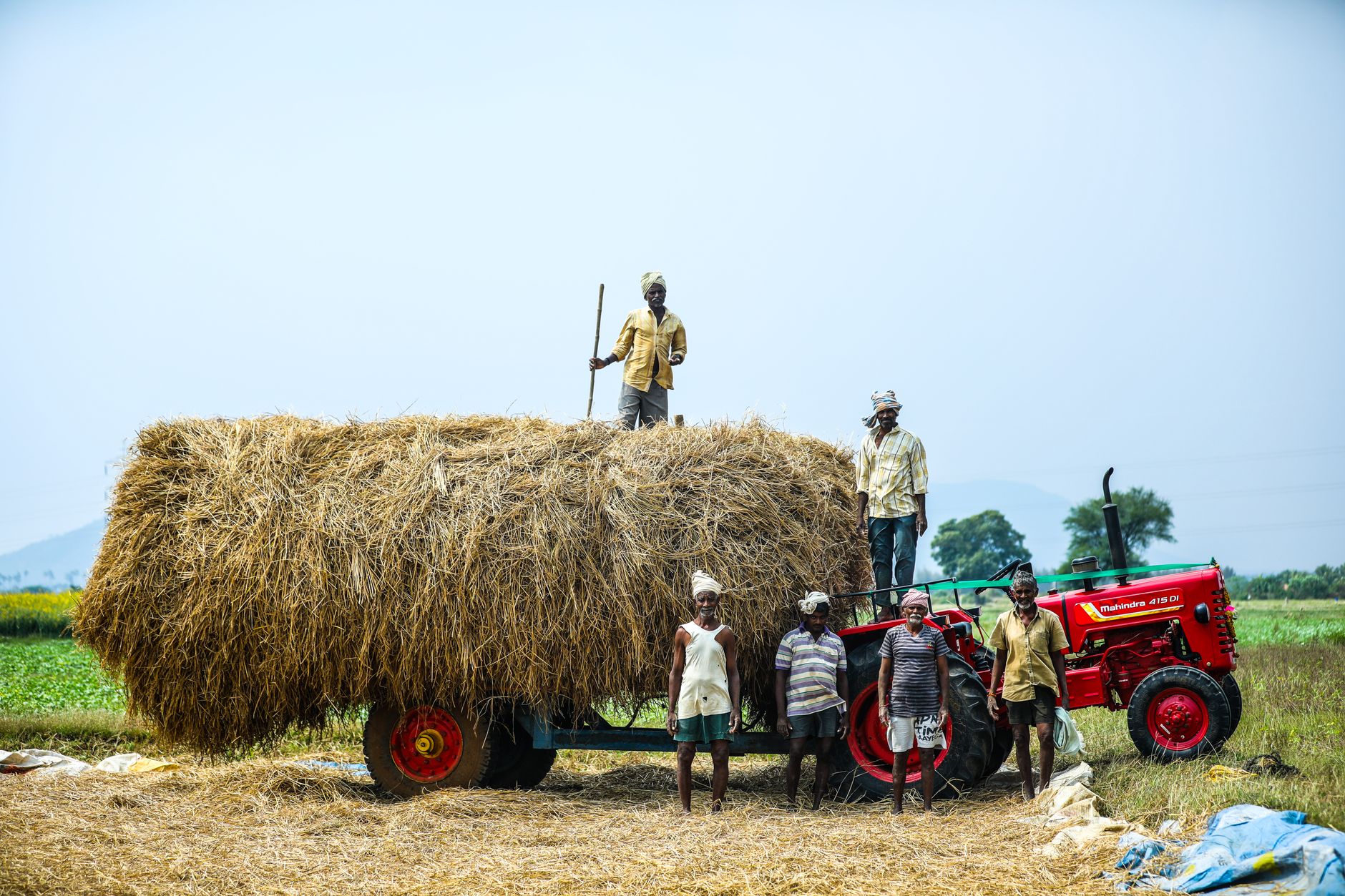
The MSP hike for Kharif crops has been approved, marking a pivotal moment for farmers in the upcoming 2026-27 season.
Understanding the MSP Hike for Kharif Crops
The recent decision by the Cabinet to approve the MSP hike for Kharif crops for the 2026-27 season has been widely praised by farmers and agricultural experts alike. This initiative aims to ensure better income stability for farmers, helping them combat rising production costs and unpredictable market fluctuations.
The Minimum Support Price (MSP) serves as a crucial safety net for farmers, guaranteeing them a fixed price for their crops, regardless of market conditions. With the hike, farmers can expect to receive adequate compensation for their efforts, promoting agricultural sustainability and growth.
Prime Minister Modi has hailed the decision as a significant step towards empowering farmers. He emphasized that this increase will not only enhance the economic condition of farmers but also encourage them to invest more in quality inputs and modern agricultural practices.
The key benefits of the MSP hike for Kharif crops include:
- Enhanced Income: Farmers will receive better prices for their produce.
- Investment Encouragement: Increased revenues can lead to more investments in agriculture.
- Food Security: A stable income promotes food production and availability.
Impact of MSP Hike for Kharif Crops on Farmers
The recent decision to implement an MSP hike for Kharif crops is poised to have a significant impact on farmers across the country. This move is expected to enhance the financial viability of farming, providing much-needed support to those engaged in Kharif cultivation.
Key impacts of the MSP hike for Kharif crops include:
- Increased Income: Farmers stand to gain higher returns for their produce, which can lead to improved living standards.
- Boosted Investment: With better income prospects, farmers may be more inclined to invest in quality seeds, fertilizers, and modern farming techniques.
- Reduced Debt Burden: Enhanced earnings can help farmers manage debts more effectively, reducing the financial pressure they often face.
- Encouragement of Crop Diversity: A reliable MSP can motivate farmers to diversify their crops, contributing to food security and sustainability.
Overall, the MSP hike for Kharif crops is seen as a smart decision that aligns with the government’s efforts to empower farmers and stabilize the agricultural economy.
Government’s Role in MSP Hike for Kharif Crops
The government’s recent decision to approve a significant MSP hike for Kharif crops reflects its commitment to supporting farmers and enhancing agricultural productivity. This initiative comes as part of a broader strategy to ensure that farmers receive fair compensation for their hard work and investments.
By raising the Minimum Support Price (MSP), the government aims to stabilize the income of farmers who often face fluctuating market prices. This increase is especially crucial for Kharif crops, which are predominantly sown during the monsoon season and play a vital role in the country’s food security.
Key aspects of the government’s role in this MSP hike include:
- Policy Formulation: Developing policies that ensure a consistent and fair pricing mechanism for farmers.
- Market Interventions: Implementing measures to intervene in the market when prices fall below the MSP.
- Awareness Programs: Educating farmers about the benefits and availability of MSP to encourage more informed decision-making.
This proactive approach not only empowers farmers but also promotes sustainable agricultural practices across the nation.
Historical Context of MSP Hike for Kharif Crops
The Minimum Support Price (MSP) has been a crucial mechanism for supporting farmers in India, particularly for Kharif crops. Historically, the concept of MSP was introduced in 1966 to ensure that farmers receive a fair price for their produce, safeguarding them from market fluctuations. Over the years, the government has periodically revised the MSP rates to reflect changing economic conditions and agricultural costs.
In recent years, the need for a MSP hike for Kharif crops has become more pronounced due to rising input costs and the economic challenges faced by farmers. The government has responded to these challenges by increasing the MSP, ensuring that farmers can sustain their livelihoods. This decision is not only aimed at improving farmers’ income but also at boosting agricultural production to meet the growing food demand in the country.
The most recent cabinet approval for the MSP hike for Kharif crops for the 2026-27 season reflects a continued commitment to support the agricultural sector. As Prime Minister Modi noted, this decision is a step towards empowering farmers and enhancing food security in India.
Future Prospects After MSP Hike for Kharif Crops
The recent MSP hike for Kharif crops is expected to yield significant benefits for farmers in the coming seasons. With the government’s commitment to providing fair prices for agricultural produce, farmers can anticipate increased income stability, which is crucial for their livelihoods.
Experts believe that this decision will lead to enhanced investment in agricultural practices, as farmers are likely to allocate more resources towards improving crop yields. This could also encourage the adoption of sustainable farming methods, as financial security allows farmers to experiment with new techniques.
Furthermore, the MSP hike for Kharif crops may boost rural economies, leading to greater demand for agricultural services and products. This can create job opportunities in various sectors, including transport, storage, and marketing of crops.
However, it is essential for the government to monitor the implementation of the MSP and ensure that the benefits reach the intended beneficiaries. Continuous dialogue with farmers and stakeholders will be vital to address any challenges that may arise and to sustain the positive impact of this initiative.
Community Reactions to MSP Hike for Kharif Crops
Community reactions to the recent MSP hike for Kharif crops have been overwhelmingly positive, with many farmers expressing optimism about the future. The government’s decision to increase the minimum support price aims to provide a safety net for farmers during uncertain market conditions.
Local farmer associations have voiced their approval, highlighting the following points:
- Financial Relief: Many farmers believe that the MSP hike will alleviate the financial burden they face, especially after a challenging harvest season.
- Encouragement for Production: The increased prices are seen as an incentive for farmers to increase their production, which can lead to greater food security.
- Support for Sustainable Practices: Some farmers expressed hope that higher MSP will allow them to invest in more sustainable farming practices, benefiting the environment in the long run.
- Community Growth: The hike is expected to stimulate local economies, as farmers will have more purchasing power to spend on goods and services.
Overall, the MSP hike for Kharif crops has sparked conversations about the future of agriculture in the region, with many looking forward to a more prosperous season ahead.
Photo by ANIl KUMAR on Pexels